
Mildly interesting journalism
3 stars
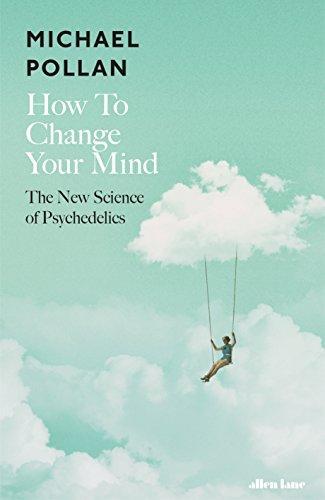
I picked up this book because I wanted to know "What the New Science of Psychedelics Teaches Us About Consciousness, Dying, Addiction, Depression, and Transcendence". What I got was Michael Pollan's diary as he travels around meeting interesting people that have experience with or knowledge of psychedelics.
The few tidbits of science that we get are tainted by the authors lack of self control in spiralling from interesting findings into wildly imaginative speculation. Scientist finds that psychedelics interact with the default mode network; Pollan's takeaway is that so far science hasn't ruled out that consciousness could be something our bodies pick up from the universe like antennas do for radio. Scientist explains that taking measurements causes state superposition collapse in quantum mechanics; Pollan's conclusion is that perhaps consciousness is "out there" dissociated from brains.
So many words are dedicated to describing the quaint off-grid cabins, their owners using round glasses, …
I picked up this book because I wanted to know "What the New Science of Psychedelics Teaches Us About Consciousness, Dying, Addiction, Depression, and Transcendence". What I got was Michael Pollan's diary as he travels around meeting interesting people that have experience with or knowledge of psychedelics.
The few tidbits of science that we get are tainted by the authors lack of self control in spiralling from interesting findings into wildly imaginative speculation. Scientist finds that psychedelics interact with the default mode network; Pollan's takeaway is that so far science hasn't ruled out that consciousness could be something our bodies pick up from the universe like antennas do for radio. Scientist explains that taking measurements causes state superposition collapse in quantum mechanics; Pollan's conclusion is that perhaps consciousness is "out there" dissociated from brains.
So many words are dedicated to describing the quaint off-grid cabins, their owners using round glasses, describing their childhoods in Kentucky or wherever and what these people think of spirituality. The book could have been 1/10th as long and kept pretty much all the facts and relevant findings. Not too unlike many pop non-fiction bestsellers, but still disappointing.